Author: Jim George
[This is the fourth in a series of articles I’ve written on restoring native habitat for birds and other wildlife. Others in the series include: "Going Native", "To Every Plant There is a Season", and "Littering with Leaves".]
My previous articles have focused on using native plants and natural groundcover so that birds, pollinators, and other wildlife can thrive. In this article, I’ll go into more depth about the problems posed by alien plants, identify some of the worst of them, and suggest some approaches to keep the aliens from taking over. I’ll build on the experience that our Bird Friendly Habitat Certification team has gained in doing 72 yard visits to date, covering more than 300 acres. I’ll also rely heavily on the writings of Doug Tallamy in books such as Bringing Nature Back Home and The Living Landscape (coauthored with Rick Darke). If you haven’t read these books, I highly recommend them!
So why not import attractive plants from Europe, Asia, and other foreign sources to our yards and gardens? We’ve been doing this from the beginning of the European settlement of North America, and most people see this as harmless. And often these plants are disease resistant and pest free. What could be wrong with this picture?
Doug Tallamy cites three big issues:
- Loss of food sources – Alien plants don’t support the insects that birds rely on to raise their young.
- Introduction of pests and diseases – Imported plants can be “Typhoid Marys,” introducing destructive diseases and insects (chestnut blight, emerald ash borer, etc.).
- Escape into the wild – Alien plants often become invasive, displacing native flora and damaging ecosystems.
Some of the most destructive invasives in North Carolina, ranked by threat level by the NC Native Plant Society, include:
Trees: Mimosa, Tree of Heaven, Bradford Pear, Princess Tree
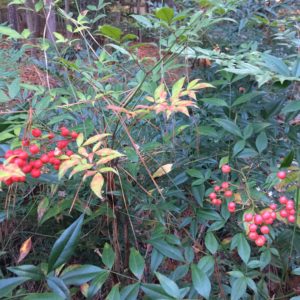
Shrubs: Burning Bush, Chinese Privet, Autumn Olive, Multiflora Rose, Nandina, Mahonia, Japanese Barberry, Japanese Spirea
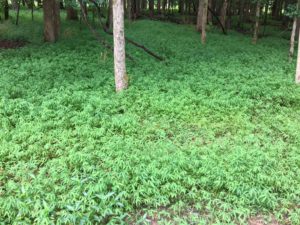
Herbs & Grasses: Japanese Stiltgrass, Sericea Lespedeza, Exotic Bamboo
Vines: Japanese Honeysuckle, English Ivy, Wisteria, Oriental Bittersweet, Winter Creeper, Vinca
Steps you can take:
- Stop buying alien plants—choose natives instead.
- Prioritize removal of invasives using NC Native Plant Society’s threat list.
- Refer to the NC Botanical Garden’s controlling invasives guide.
- Consider a Bird Friendly Habitat Certification visit for expert recommendations.
- Winter is an excellent time to remove invasives since many remain green and are easy to spot.
“...in too many areas of our country there is no place left for wildlife but in the landscapes and gardens we ourselves create.” – Doug Tallamy, Bringing Nature Home